
Machine tools place coolant, lubrication, pneumatic and hydraulic lines inside a dense frame where space, repeatability, cleanliness and service access matter as much as holding force.
A good clamp layout keeps tubes separated from chips, guards and moving axes, leaves room for inspection, and allows repeated machine modules to be assembled with the same clamp group, rail position and mounting method.
This guide focuses on practical clamp choices for CNC machine tools, machining centers, grinding machines, hydraulic fixtures and compact production equipment.
Related product photos
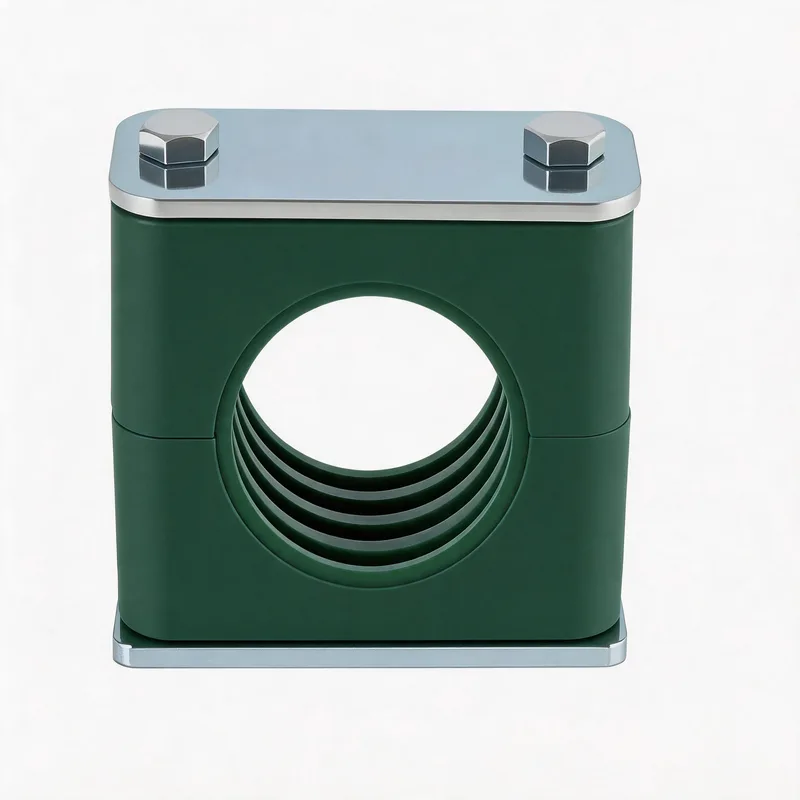
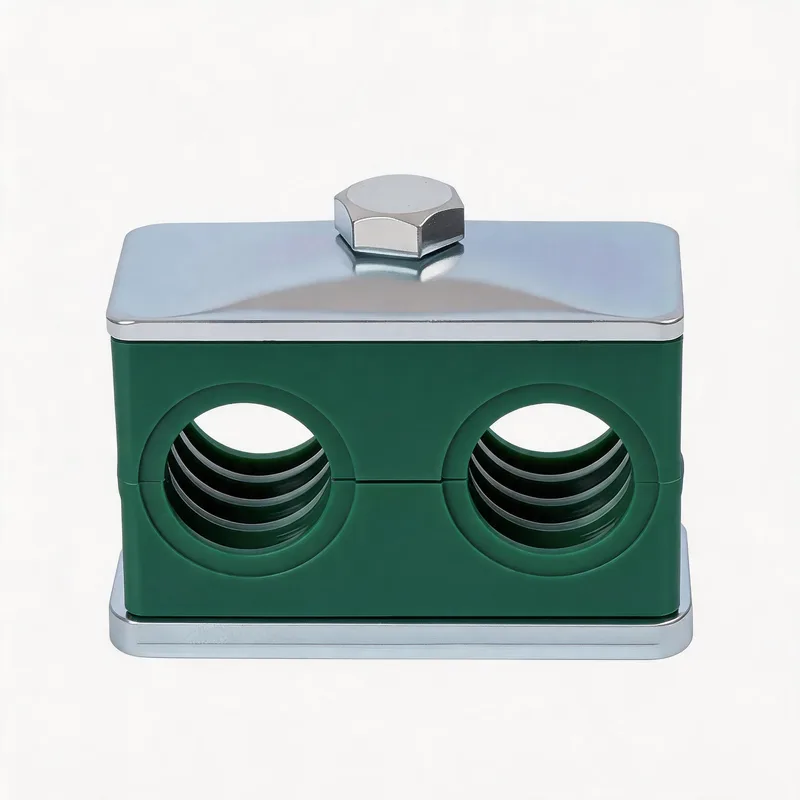
Typical use cases
- Coolant, lubrication, pneumatic and hydraulic circuits in compact machine frames
- Rail-nut clamps where position adjustment is needed during machine assembly
- Stacked layouts where footprint is limited but service access remains available
- Repeated machine modules that benefit from standardized clamp groups
Machine-tool pipework selection map
| Line type | Typical risk | Clamp direction | Check before release |
|---|---|---|---|
| Coolant supply and return | Splash, chips, cleaning fluid and frequent maintenance | DIN 3015-1 on rail where routing may change | Coolant chemistry, drainage and cover removal space |
| Lubrication lines | Small OD, many branches and risk of accidental bending | Compact standard clamps, grouped by module | Label visibility, bend radius and inspection access |
| Hydraulic fixture or axis circuits | Pressure pulsation, hose movement and port stress | Standard or heavy series near pump, valve and hose transitions | First clamp distance, bracket stiffness and wrench access |
| Pneumatic auxiliary lines | Dense routing, tube mix-ups and movement near actuators | Twin or grouped clamps for repeated parallel runs | Tube identification, service loops and replacement space |
This map is a practical starting point. Final series, material and spacing should be checked against pipe OD, machine vibration, coolant chemistry and the machine builder layout.
1. Start by separating line functions
Coolant, lubrication, pneumatic and hydraulic lines should not be treated as one generic bundle. Separate them by pressure, temperature, leakage consequence, cleaning exposure and maintenance frequency before choosing clamp series or rail positions.
2. Use rails for adjustable machine-frame routing
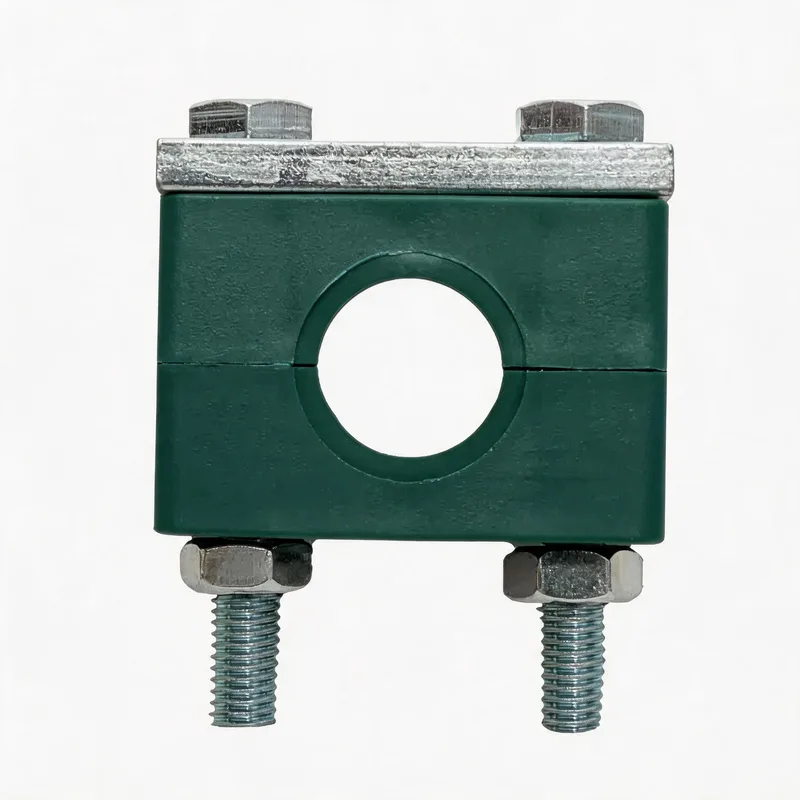
Rail-nut clamp types are useful when the exact pipe route is finalized during machine assembly or commissioning. They let engineers align coolant, lubrication and hydraulic lines without welding every support point permanently into the frame.
3. Keep clearance around moving axes and chip zones
Place clamps so tubes do not cross moving axes, tool-change areas, chip conveyors or washdown spray paths. A compact clamp is only successful if the tube can still be inspected, cleaned and removed without disturbing nearby guards or covers.
4. Choose standard, twin or stacked layouts by density
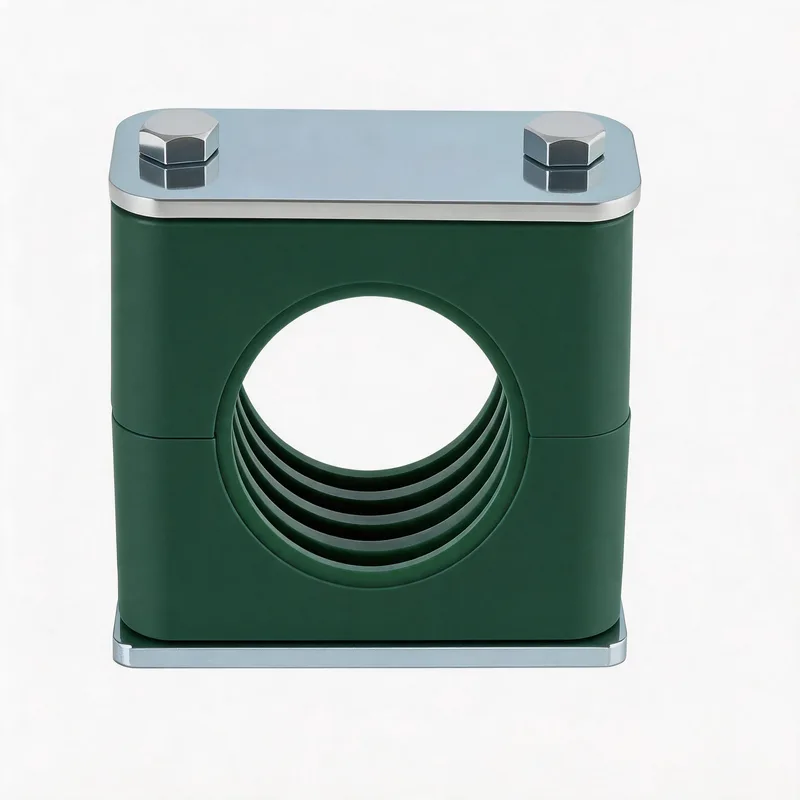
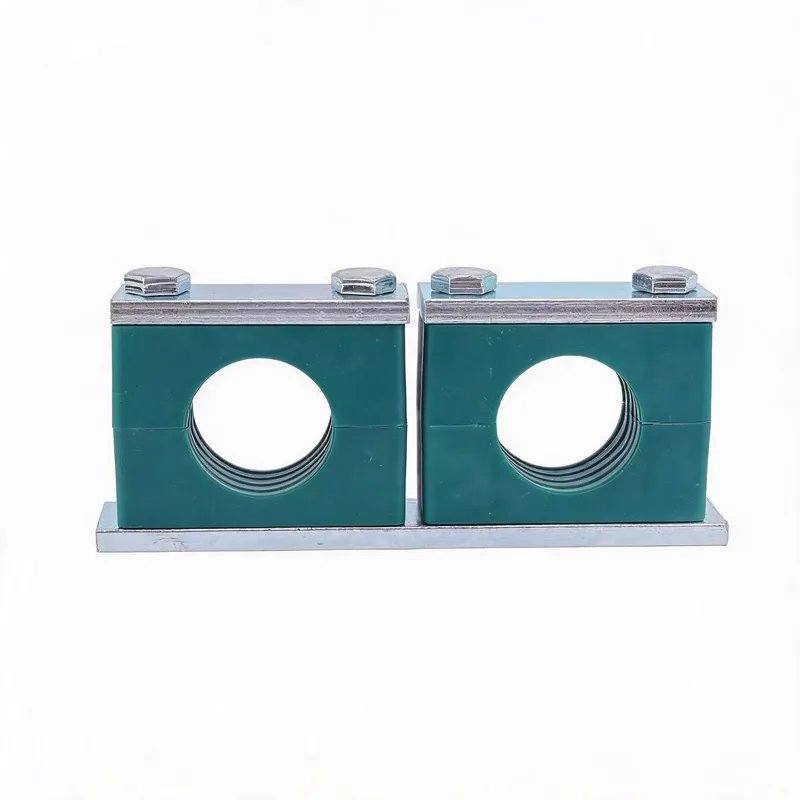
DIN 3015-1 standard series suits many single coolant, lubrication and hydraulic lines. DIN 3015-3 twin clamps help when two lines run together repeatedly. Stacking can reduce footprint, but it should be used only where bolt access and line identification remain clear.
5. Material checks for coolant and washdown
Coolant exposure can affect plated hardware, labels and some inserts over time. Confirm PP or PA body material against coolant chemistry, temperature and cleaning fluid. For wet or corrosive workshops, review stainless hardware or improved surface protection.
6. RFQ information to send
Send pipe OD, line function, machine zone, available rail or mounting surface, required adjustment range, coolant or oil type, temperature, quantity per machine and whether the clamp layout repeats across multiple modules.
Frequently asked questions
Which DIN 3015 series is usually used inside machine tools?
DIN 3015-1 standard series is the usual starting point for compact coolant, lubrication, pneumatic and small hydraulic lines. Use DIN 3015-3 twin clamps when two parallel lines repeat, and review heavy series near pump outlets or visibly vibrating hydraulic lines.
Are mounting rails better than welded plates for machine frames?
Rails are often better during machine assembly because positions can be adjusted before final release. Welded plates are still useful when the support point is fixed, load direction is clear and the machine frame is already designed around a permanent bracket.
What information should be sent for a machine-tool clamp RFQ?
Send pipe OD, line function, machine zone, coolant or oil type, temperature, vibration notes, available mounting surface, adjustment range, quantity per machine and whether the layout repeats across multiple machine modules.
Related WeiQue series
Recommended reading
References
These pages summarize public standard metadata and industry application information. They do not reproduce the paid DIN standard text.