
Good pipe clamp selection starts with the pipe, not the clamp. The outside diameter, line weight, fluid, pressure, temperature and movement pattern decide which clamp family is safe to specify.
This guide gives engineers and buyers a structured way to move from service conditions to a practical clamp choice before requesting a quote or building a bill of materials.
A reliable pipe clamp selection needs tube OD, number of lines, load and vibration, fluid and temperature, body material, mounting method and corrosion exposure.
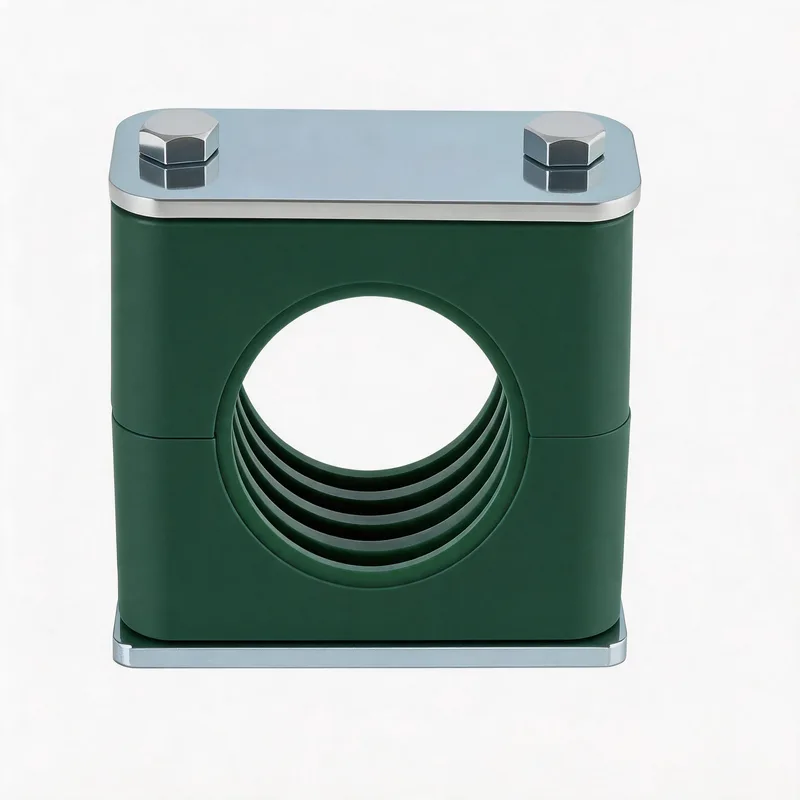
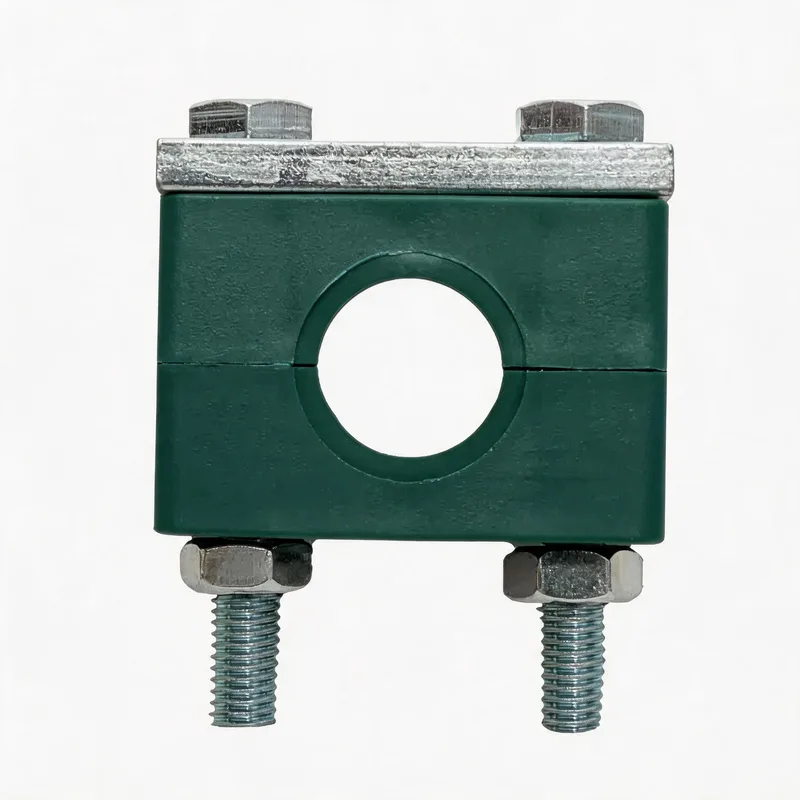
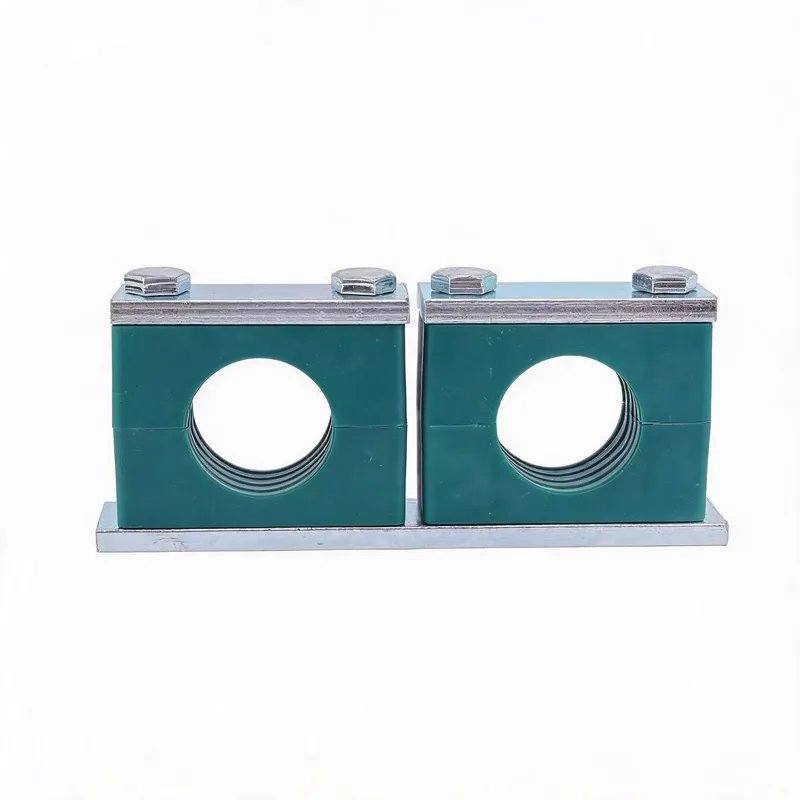
Main DIN 3015 clamp families
Typical use cases
- Measure pipe outside diameter, not nominal pipe size
- Choose standard, heavy or twin series by load and layout
- Match body material to fluid, temperature and environment
- Select base plate, rail nut or stacking hardware by installation method
- Check vibration, shock and maintenance access before finalizing
- Confirm quantity, documentation and replacement requirements for purchasing
1. Start with pipe outside diameter
DIN-style clamp bodies are selected by the actual outside diameter of the tube, pipe, hose or cable. Nominal pipe size can be misleading because wall thickness and piping standard change the real OD. Measure the OD and confirm tolerance before choosing the clamp group.
2. Choose the clamp family by load and layout
Use DIN 3015-1 standard series for common-duty single lines, DIN 3015-2 heavy series for larger pipes, mobile equipment or high vibration, and DIN 3015-3 twin series where two parallel lines share one compact support point.
3. Match material to fluid and temperature
PP is common for general hydraulic and pneumatic systems. PA can improve toughness and temperature capability. Aluminum or metal bodies are useful for heat, outdoor exposure and high mechanical demand. NBR or cushioned inserts help damping but must be checked against oil, fuel, ozone and temperature.
4. Select the mounting method
Weld plates suit permanent steel structures. Rail nuts are useful when pipe routing may change or many clamp points must be aligned. Stacking bolts save space in layered pipe runs, but stack height and service access must be checked before release.
5. Check vibration and spacing
Long unsupported spans, pumps, mobile equipment and pulsating hydraulic lines often need closer clamp spacing or a heavier series. If the line is exposed to shock, choose the clamp family, base plate and insert material as a system rather than as separate items.
6. Prepare the RFQ data
For a reliable quote, send pipe OD, material, fluid, pressure, temperature, environment, mounting surface, quantity, required certificates and preferred delivery date. Photos or drawings of the installation area help avoid wrong mounting hardware.
Related WeiQue series
Recommended reading
References
These pages summarize public standard metadata and industry application information. They do not reproduce the paid DIN standard text.