
A shutdown spare kit is different from a normal project order. The maintenance team does not need every clamp size in the catalogue; it needs the sizes and small hardware most likely to stop a line from returning to service.
The safest kit is built from the installed plant: actual tube OD, DIN series, mounting method, material, fastener size and the parts that are often missing after removal. This turns a vague emergency purchase into a repeatable MRO list.
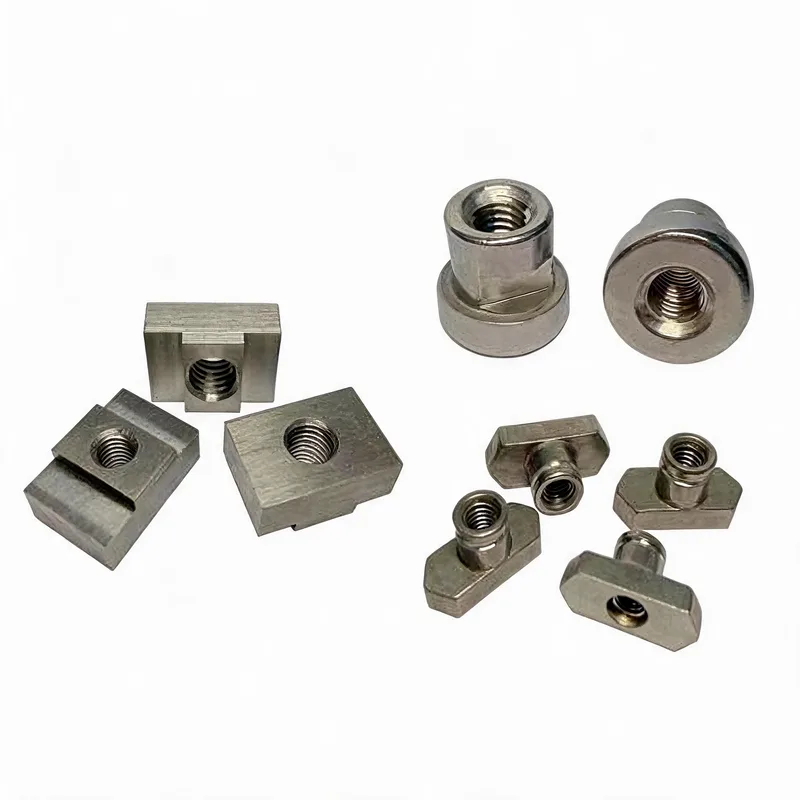
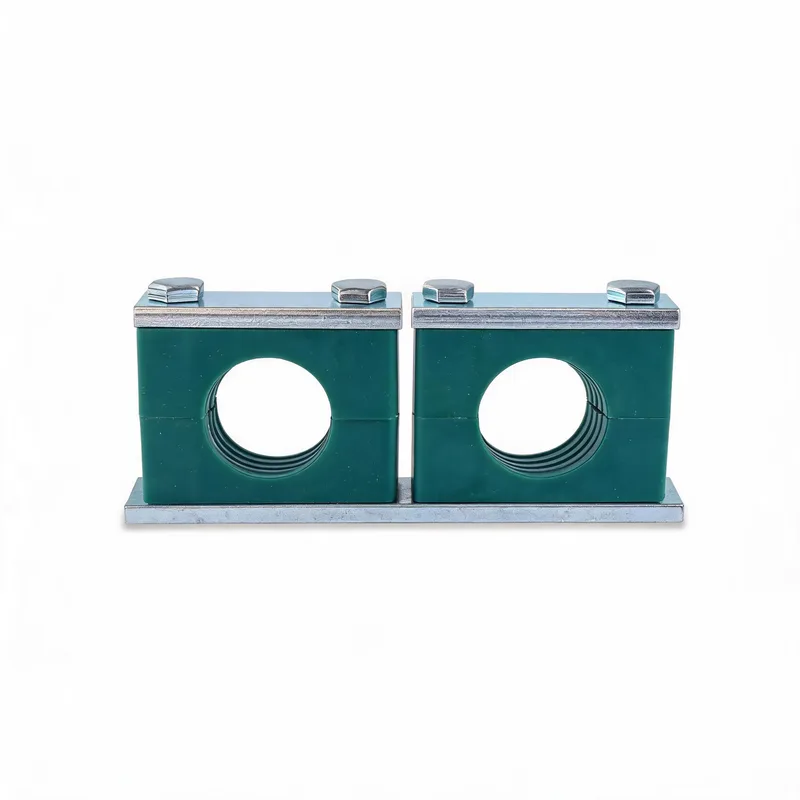
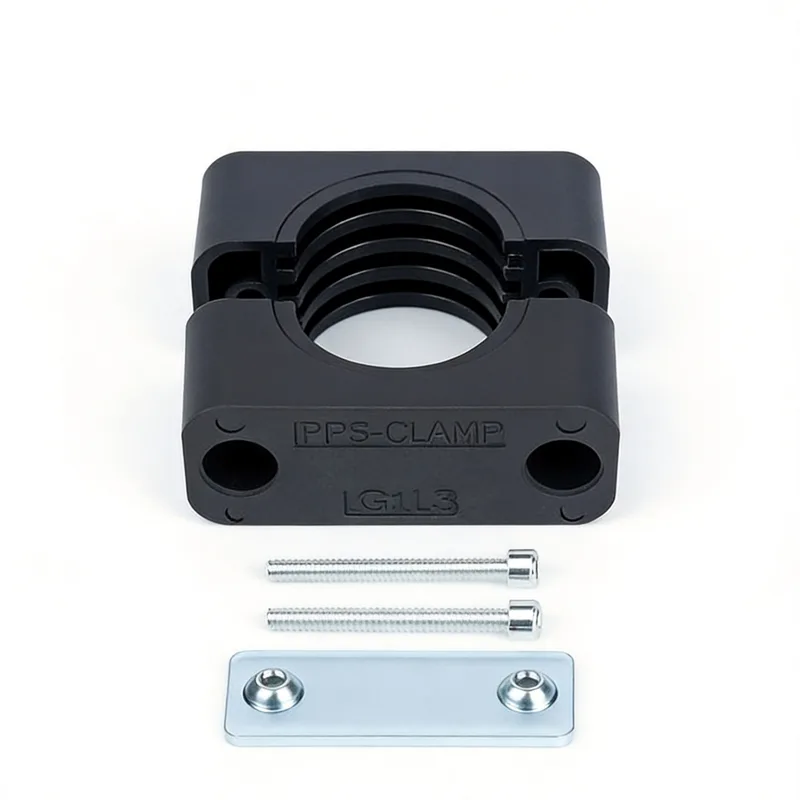
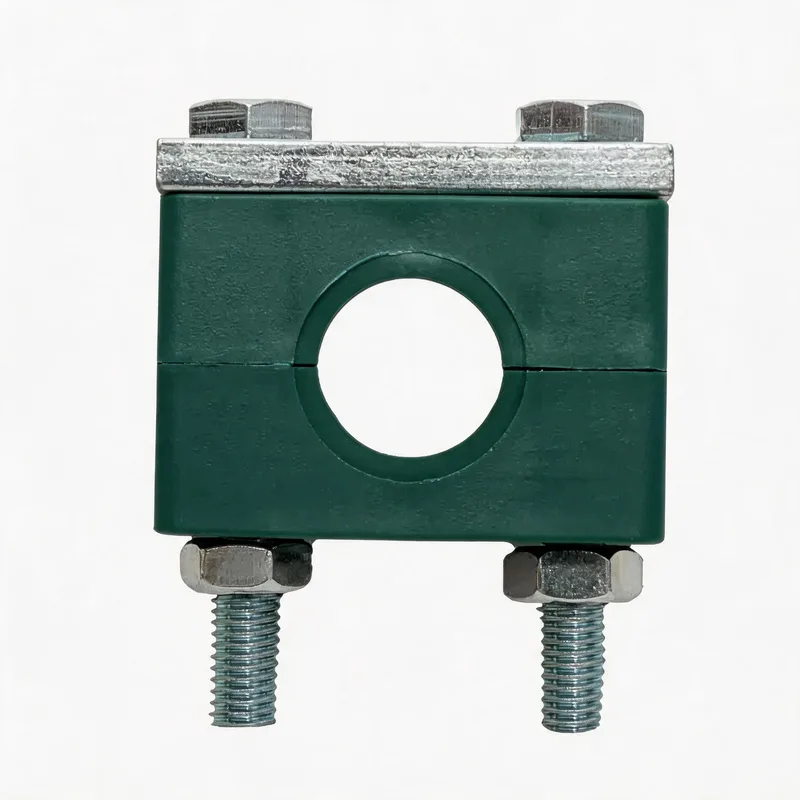
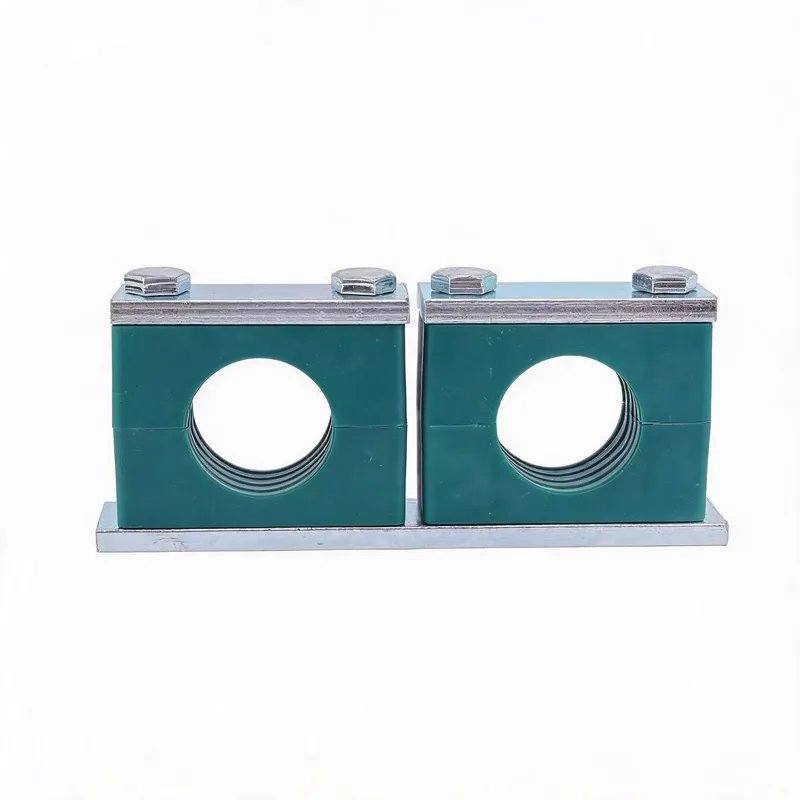
A DIN 3015 maintenance spare kit should be built from installed clamp points: body halves, inserts, cover plates, bolts, washers, rail nuts or weld plates, labels and packing by line, machine or shutdown work area.
A useful spare kit covers the parts that get lost or damaged
Shutdown spare kit planning table
| Kit Item | How to Select | Typical Quantity Rule |
|---|---|---|
| Clamp bodies | Use installed tube OD and DIN series; separate standard, heavy and twin. | 5-10% of installed points, higher for high-vibration lines. |
| Rubber or cushioned inserts | Match NBR, EPDM, FKM or other insert material to fluid and temperature. | Stock more than bodies if inserts age, harden or tear. |
| Bolts and washers | Match thread, length, grade, stainless grade, coating and locking method. | At least one complete bolt set per spare clamp point. |
| Cover plates | Match series, group and corrosion requirement. | Same count as spare clamp points unless covers are reused. |
| Rail nuts and weld plates | Choose by rail profile, plate hole pattern and field mounting method. | Keep extra rail nuts; weld plates only where field repair may replace bases. |
| Labels and packing | Pack by line, area, machine or circuit, not only by size. | One label per kit bag or carton for fast shutdown picking. |
For urgent MRO, a small missing rail nut can delay restart as much as a missing clamp body.
Start from installed points, not catalogue pages
A spare kit should reflect what is actually installed: tube OD, clamp series, mounting rail, weld plate pattern, fastener size and material. If old drawings are unreliable, walk the line and photograph representative clamp points. A photo plus measured tube OD is often enough to separate standard, heavy and twin series before quoting.
Separate emergency spares from planned replacement spares
Emergency spares should cover common failure points: broken clamp bodies, torn inserts, missing bolts, lost rail nuts and corroded covers. Planned replacement spares can be more specific: one line, one machine, one skid or one shutdown work pack. Mixing both categories makes the kit expensive and still incomplete.
Do not forget small hardware and labels
Maintenance teams often can reuse the clamp body but cannot find the correct bolt length, rail nut or cover plate after removal. For shutdown speed, pack complete mini-kits by size or equipment area, and label each bag with tube OD, DIN series, material, fastener scope and quantity.
Copy-ready spare kit RFQ wording
Use this RFQ note: "Please quote a DIN 3015 pipe clamp maintenance spare kit for shutdown use. Include clamp bodies, inserts if applicable, cover plates, bolts, washers, rail nuts or weld plates, labels and packing by line or equipment area. We attach installed photos / old part numbers / tube OD list. Please confirm equivalent series, material, lead time and any missing data before quotation."
Frequently asked questions
What should be included in a DIN 3015 pipe clamp spare parts kit?
Include clamp bodies, inserts if used, cover plates, bolts, washers, rail nuts or weld plates, labels and packing by line or equipment area. Build the list from installed tube OD, DIN series, material and mounting method.
How many spare pipe clamps should maintenance keep?
For routine plant stock, 5-10% of installed clamp points by common size is a practical starting point. Increase the quantity for high-vibration lines, harsh environments, old equipment, long lead-time materials and clamps with rubber inserts that age.
Should spare kits be packed by size or by machine area?
For warehouse stock, pack by size. For a shutdown work pack, pack by line, machine, skid or work area so technicians can pick the complete set quickly without searching for small hardware.
Related WeiQue series
Recommended reading
References
These pages summarize public standard metadata and industry application information. They do not reproduce the paid DIN standard text.