
Marine and washdown pipework needs more than a standard clamp body. Salt, humidity, cleaning chemicals, trapped water and dissimilar metals can all shorten service life if the clamp system is specified as an ordinary indoor assembly.
Stainless steel pipe clamps are commonly reviewed for seawater, offshore, shipbuilding, coastal plants, food washdown and chemical environments. The key decision is not only the clamp body, but also the base plate, rail, cover plate, bolt, pipe material and contact surface.
Marine stainless clamp details
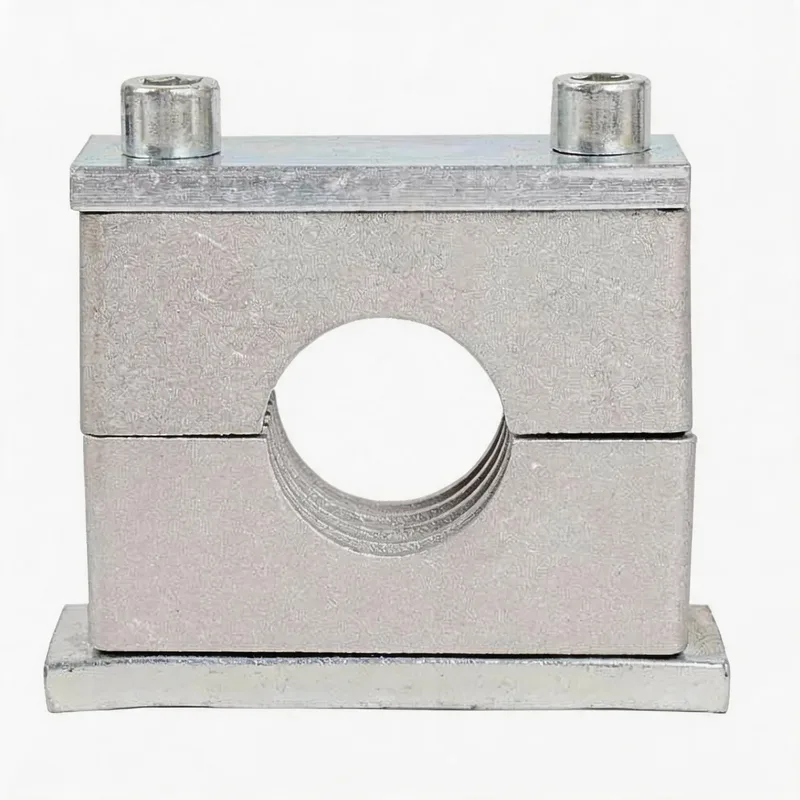
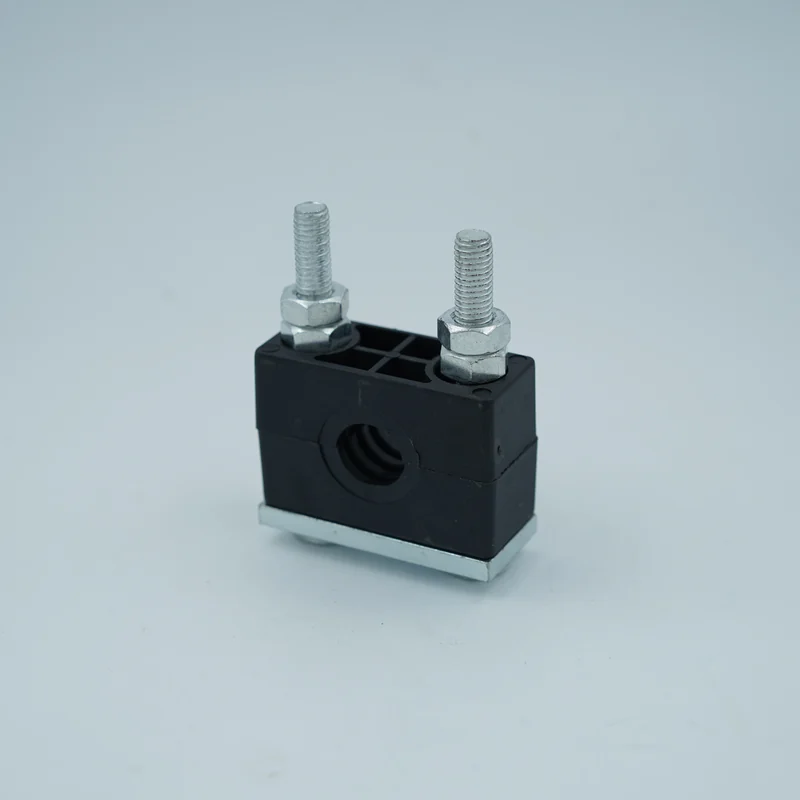
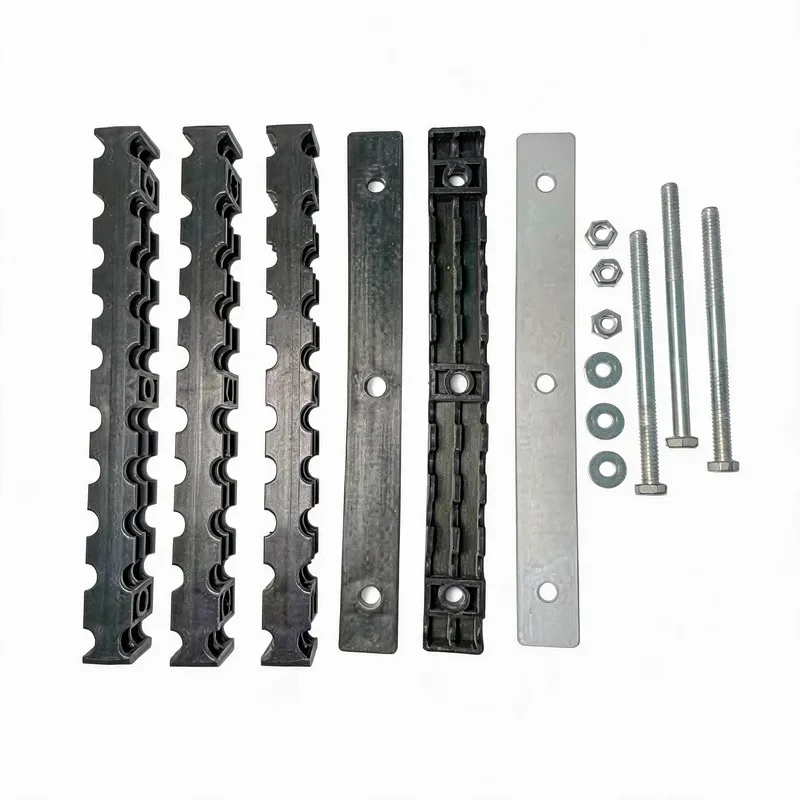
Typical use cases
- Review 316 or 316L stainless for salt spray, seawater mist and coastal humidity
- Specify stainless hardware as a system: body, base, cover plate, rail and bolts
- Avoid mixed-metal contact that can create galvanic corrosion
- Check crevices, trapped water and cleaning chemical exposure
- Use polymer inserts or isolation where pipe protection and damping are needed
- Confirm the corrosion requirement before quoting, not after installation
When stainless steel pipe clamps make sense
Stainless clamps are most useful where ordinary zinc-plated carbon steel hardware would be exposed to salt, frequent washing, outdoor moisture, corrosive chemicals or long maintenance intervals. They are common in shipbuilding, offshore skids, coastal process plants, desalination systems and washdown equipment.
316L is not a universal guarantee
316 and 316L stainless grades improve corrosion resistance compared with many standard steels, but chloride concentration, temperature, oxygen level, deposits and crevice geometry still matter. In stagnant seawater, trapped salt or aggressive chemical cleaning, project-specific review is still needed.
Do not mix the clamp body and hardware decision
A stainless clamp body with carbon steel bolts, plated rails or ordinary welded bases can still become a weak point. For marine service, specify the whole assembly: clamp body, cover plate, base plate, rail nut, rail, bolt, washer and any welding or coating requirement.
Galvanic contact and pipe material
When stainless hardware contacts carbon steel, aluminum or other metals in a wet electrolyte, galvanic corrosion can accelerate on the less noble material. Review pipe material, support structure, paint system and whether a polymer insert or insulating layer is needed between the clamp and pipe.
Marine clamp selection checklist
Before release, confirm pipe OD, pipe material, fluid, salt exposure, indoor or outdoor location, splash or immersion risk, washdown chemical, temperature, vibration, mounting method, required stainless grade, fastener grade, certificate needs and expected maintenance interval.
RFQ information to send
For a stainless or marine quote, send the pipe OD list, quantity by OD, pipe material, environment description, required 316 or 316L hardware scope, mounting type, vibration notes, certificate requirement and photos or drawings of the installation area when available.
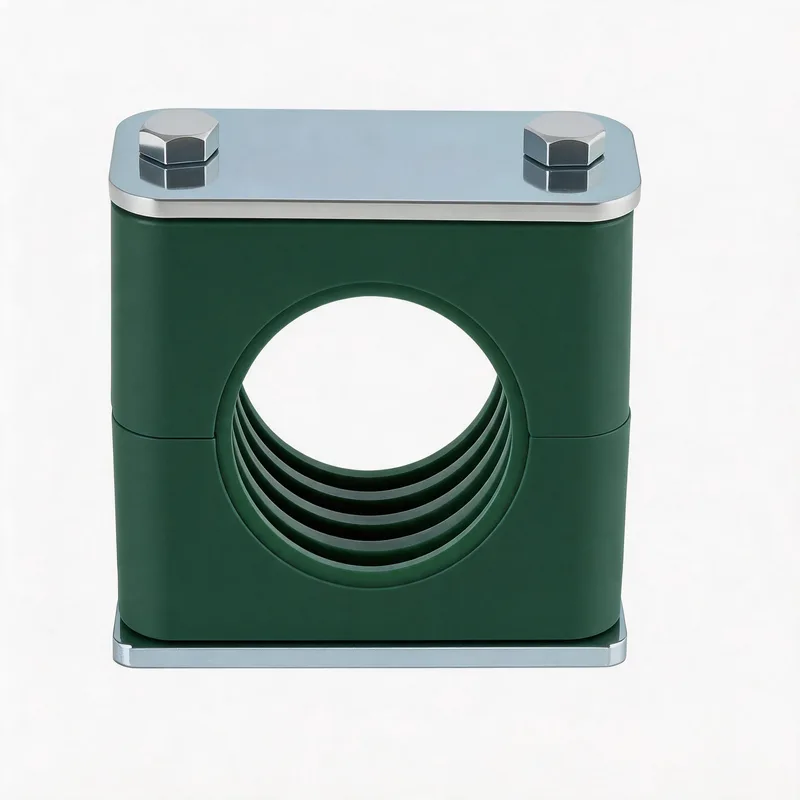
Related WeiQue series
Recommended reading
References
These pages summarize public standard metadata and industry application information. They do not reproduce the paid DIN standard text.