
Aluminum trefoil cable cleats can reduce installed weight and simplify handling on long cable routes, towers, tunnels and equipment modules. Their usefulness depends on the selected alloy, section geometry, fasteners and support interface rather than the word “aluminum” alone.
Like stainless trefoil cleats, aluminum designs must be matched to actual cable diameter and supported by short-circuit test evidence or a project-approved engineering assessment. The cleat spacing is part of the verified configuration and should not be copied from another product or cable size.
This guide separates the practical advantages of aluminum from the checks needed for corrosion, temperature, fire, mechanical damage and dissimilar-metal contact.
An aluminum trefoil cable cleat can reduce weight, but selection must confirm alloy and temper, cable OD, short-circuit test configuration, galvanic isolation, fire conditions, fasteners and support stiffness.
Related product photos
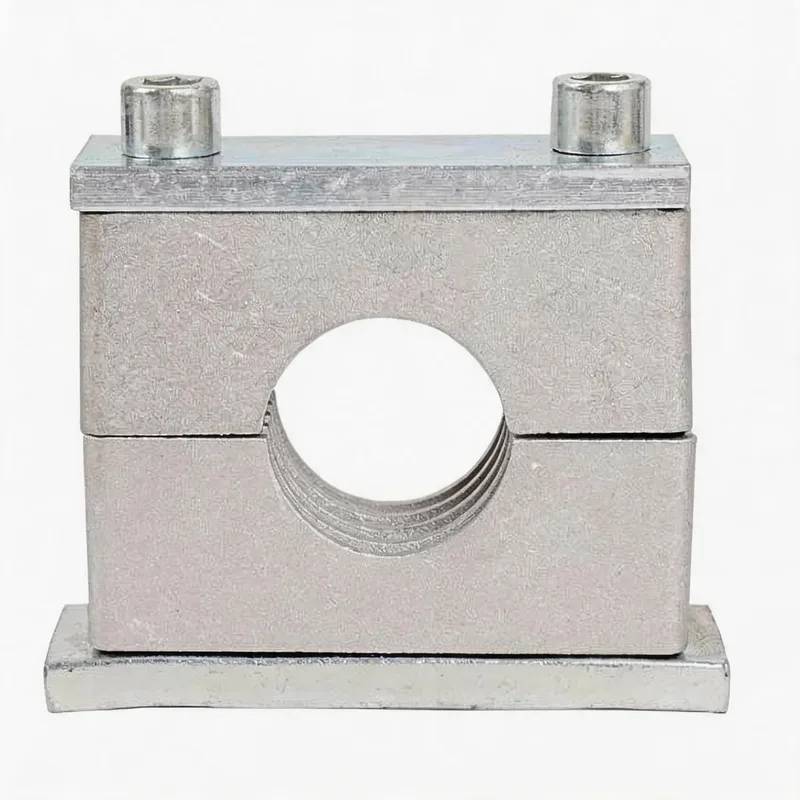
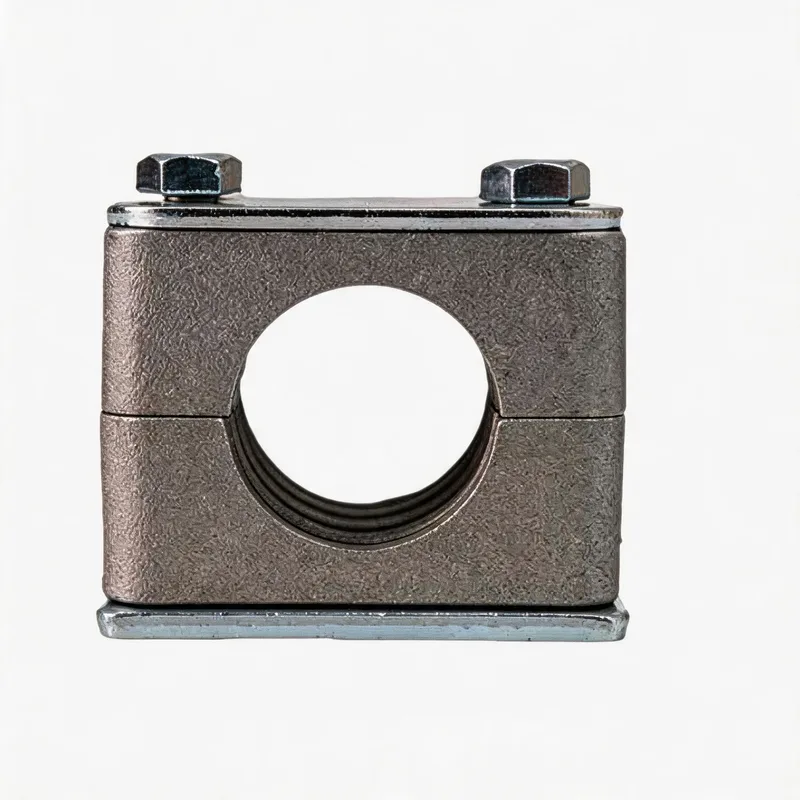
Typical use cases
- Confirm alloy, temper and protective finish rather than specifying generic aluminum
- Verify short-circuit performance for the proposed cable OD and spacing
- Isolate aluminum from copper and unsuitable steel interfaces where required
- Review fire, heat and mechanical impact conditions separately
Aluminum trefoil cleat decision matrix
| Question | Aluminum can be attractive when | Additional check |
|---|---|---|
| Installed weight | Long routes or modules benefit from lower component mass | Bracket and access loads still require review |
| Corrosion environment | The alloy and finish are approved for the atmosphere | Galvanic isolation and crevice drainage |
| Short-circuit duty | Test evidence covers cable size and proposed spacing | Fasteners and mounting structure match the tested setup |
| Fire or high heat | Project fire classification permits the proposed design | Strength retention and cable protection after exposure |
Aluminum and SS316 are not ranked universally. The better choice depends on verified short-circuit performance, environment, weight, fire requirements, mounting structure and life-cycle maintenance.
Specify alloy and temper, not generic aluminum
Different aluminum alloys have different yield strength, corrosion behavior, formability and response to heat. The quotation should state the alloy and temper, manufacturing method and any anodizing, conversion coating, paint or other finish. Check whether formed edges, drilled holes and fastener seats retain the intended protection. Material certificates and dimensional drawings are more useful than an unqualified “marine-grade aluminum” description.
Control galvanic interfaces
Aluminum cleats may contact stainless fasteners, galvanized rails, painted carbon-steel brackets or nearby copper conductors. Moisture and salts can turn these interfaces into galvanic cells. Review compatible washers, sleeves, barrier coatings, isolation pads and drainage so that water is not trapped. Isolation parts must also remain mechanically stable and suitable for the project temperature and fire requirements.
Short-circuit, spacing and mounting evidence
The project should not approve an aluminum cleat solely from static tensile strength. Short-circuit restraint is a dynamic system response involving the three cables, cleat geometry, fasteners, spacing and support stiffness. Request evidence that identifies cable diameter, conductor arrangement, test current, duration, spacing and post-test acceptance. If the project mounting bracket differs materially from the tested setup, obtain an engineering review of the load path.
RFQ data for an aluminum trefoil cable cleat
Send cable type, actual OD and tolerance, voltage and conductor data, prospective RMS and peak fault current, fault duration, proposed spacing, route orientation, bracket or rail material and dimensions, environmental classification, salt or chemical exposure, fire and impact requirements, required alloy and finish, fastener material and isolation method, test standard, documentation and quantities by cable size. State whether a lightweight option is a preference or a mandatory project limit.
Size chart: conductor size to cable OD to cleat band
Like any trefoil cleat, an aluminum cleat is sized by the overall diameter of one single-core cable, not the conductor cross-section. If you only know the conductor size, convert to an approximate cable OD first — a 240 mm² single-core XLPE cable is roughly 39 mm overall, a 630 mm² cable around 59 mm — then read off the cleat band. Aluminum is most attractive at the larger cable ODs, where its lower weight per metre of route matters most. Our free trefoil cable cleat size finder does the conversion and shows the full conductor-mm² to cable-OD table; always confirm the real OD from the cable data sheet before ordering.
Price and commercial factors for aluminum cleats
Aluminum trefoil cleats have no single list price: cost depends on the cable OD band, alloy (marine-grade LM6 versus general alloy), any anodizing or coating, the tested short-circuit class, quantity and documentation. Aluminum can be lighter and sometimes lower cost than stainless at large sizes, but the two are not interchangeable on price alone — an aluminum cleat is only comparable to a stainless one when both carry short-circuit evidence for your fault current and both suit the corrosion environment (aluminum needs galvanic isolation from dissimilar metals and may be unsuitable for heavy chloride exposure). Compare like-for-like on cable OD band, short-circuit class and certification, then decide on weight and cost. For a firm quotation send cable OD, quantity by band, fault data and required certificates.
Frequently asked questions
When is an aluminum trefoil cleat better than stainless?
Aluminum is attractive where lower installed weight matters on long routes and at larger cable ODs, in environments that are not heavy-chloride and where galvanic isolation from dissimilar metals is managed. In marine, coastal or strong-chloride exposure, SS316L is usually the safer choice. Compare both on the same short-circuit evidence before deciding on weight or cost.
How do I size an aluminum trefoil cable cleat?
By the overall diameter of one single-core cable, the same as any trefoil cleat. Convert the conductor size to an approximate cable OD (a 630 mm² XLPE cable is around 59 mm), then read off the cleat band. Our free trefoil cable cleat size finder does the conversion and shows the full conductor-mm² to cable-OD table; confirm the real OD from the cable data sheet.
Are aluminum cable cleats cheaper than stainless?
Sometimes at larger sizes, but price alone is the wrong comparison. Cost depends on the OD band, alloy, coating, tested short-circuit class, quantity and documentation. An aluminum cleat is only comparable to a stainless one when both carry short-circuit evidence for your fault current and both suit the corrosion environment. Compare like-for-like, then weigh weight and cost.
When is an aluminum trefoil cable cleat useful?
It is attractive where lower installed weight and easier handling matter, provided the selected alloy, short-circuit evidence, corrosion isolation, fire performance and mounting structure meet the project requirements.
Can aluminum cable cleats use stainless steel fasteners?
They can, but the dissimilar-metal interface must be reviewed. Compatible washers, sleeves, barrier coatings, isolation pads and drainage may be needed to control galvanic corrosion.
Is aluminum weaker than stainless for every cable-cleat project?
That comparison is too general. Performance depends on alloy, temper, section geometry, fasteners, tested cable arrangement, spacing and support. Compare approved configurations rather than raw material names.
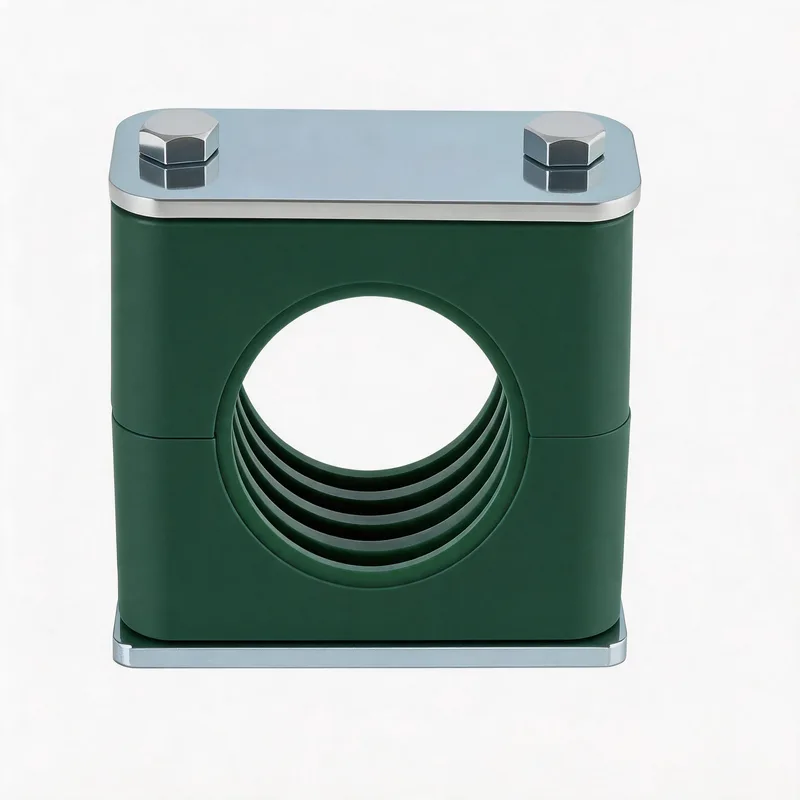
Related WeiQue series
Recommended reading
References
These pages summarize public standard metadata and industry application information. They do not reproduce the paid DIN standard text.