
DIN 3015 is the most common reference for modular block-style clamps used to fasten tubes, pipes, hoses and cables in hydraulic, pneumatic and industrial pipework systems.
For buyers and engineers, the important first step is not memorizing every dimension. It is choosing the correct series: Part 1 for common-duty installations, Part 2 for heavier or more vibration-prone lines, and Part 3 for paired parallel lines.
DIN 3015 separates block-style pipe clamps into standard, heavy and twin series. Selection starts with actual tube OD and layout, then considers load, vibration, material and mounting.
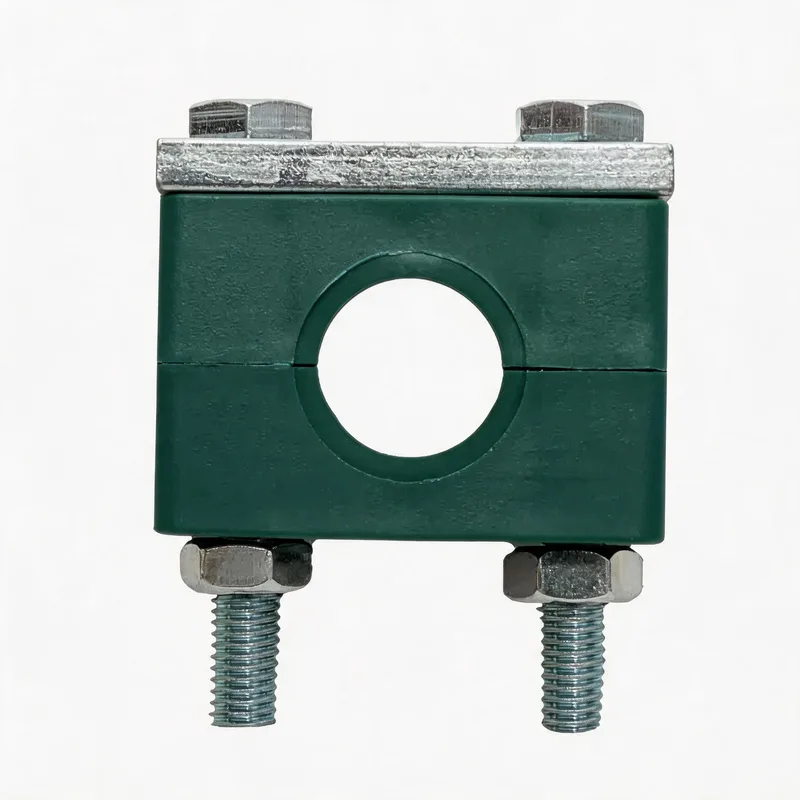
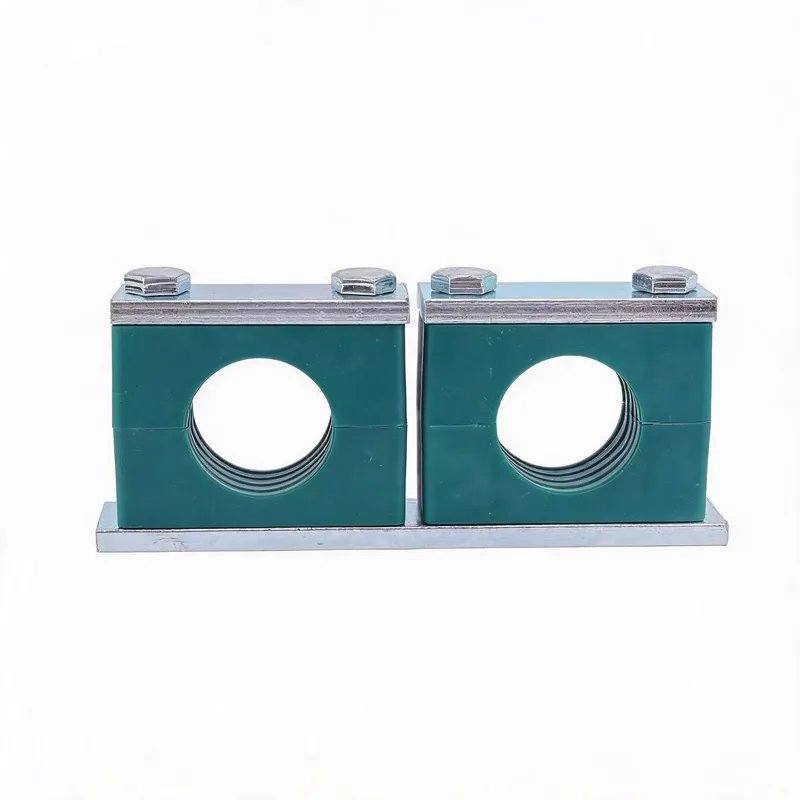
Related product photos
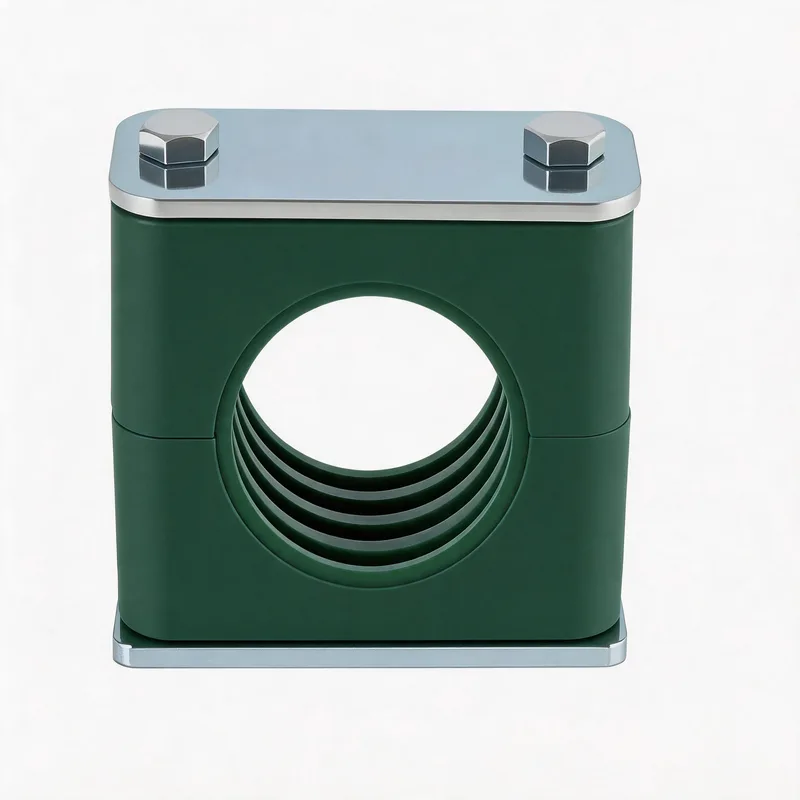
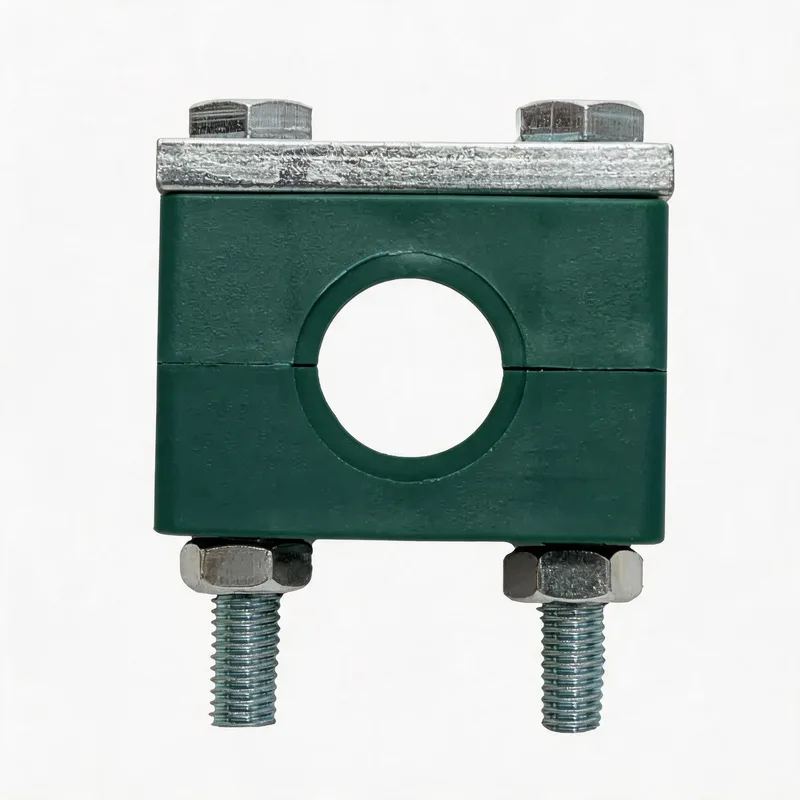
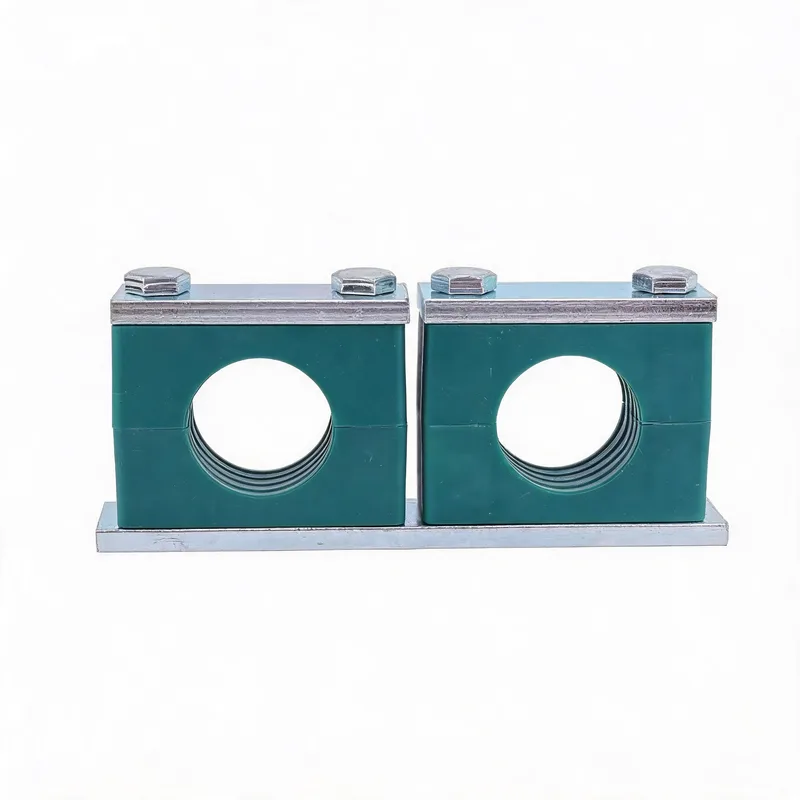
DIN 3015 parts at a glance
How engineers use the standard
The standard family helps keep clamp geometry, mounting logic and replacement expectations consistent. In practice, buyers still need to confirm pipe outside diameter, body material, base plate type, bolt grade, environmental exposure and vibration level before ordering.
What is not decided by the standard alone
DIN 3015 identifies the clamp family and core arrangement, but it does not replace engineering judgement. Chemical compatibility, temperature, corrosion class, required damping, stack height and installation spacing must be checked against the real service condition.
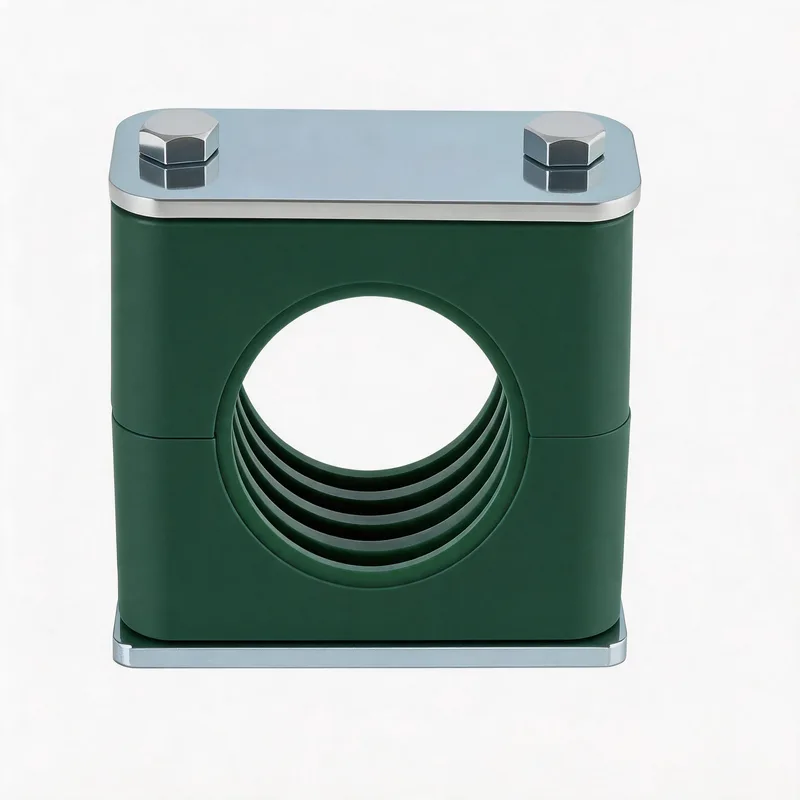
Related WeiQue series
Recommended reading
References
These pages summarize public standard metadata and industry application information. They do not reproduce the paid DIN standard text.